How to Prepare for a Panel Interview (With Sample Answers & Expert Scripts)
Learn how to prepare for a panel interview with real questions, sample answers, expert scripts, and practical tips. Master multi-interviewer strategies and boost your confidence.
How to Prepare for a Panel Interview (With Sample Answers & Expert Scripts)
Facing three to five interviewers at once?
A panel interview can feel like walking into a room full of decision-makers ready to judge every word you say. But here’s the shift:
You are not being interrogated. You are leading a structured discussion.
This guide will show you:
- What to expect in a panel interview
- How panel interviews differ from one-on-one interviews
- The most common panel interview questions and sample answers
- Practical scripts for mid-level and senior candidates
- How to simulate a real panel interview before the big day
What Is a Panel Interview?
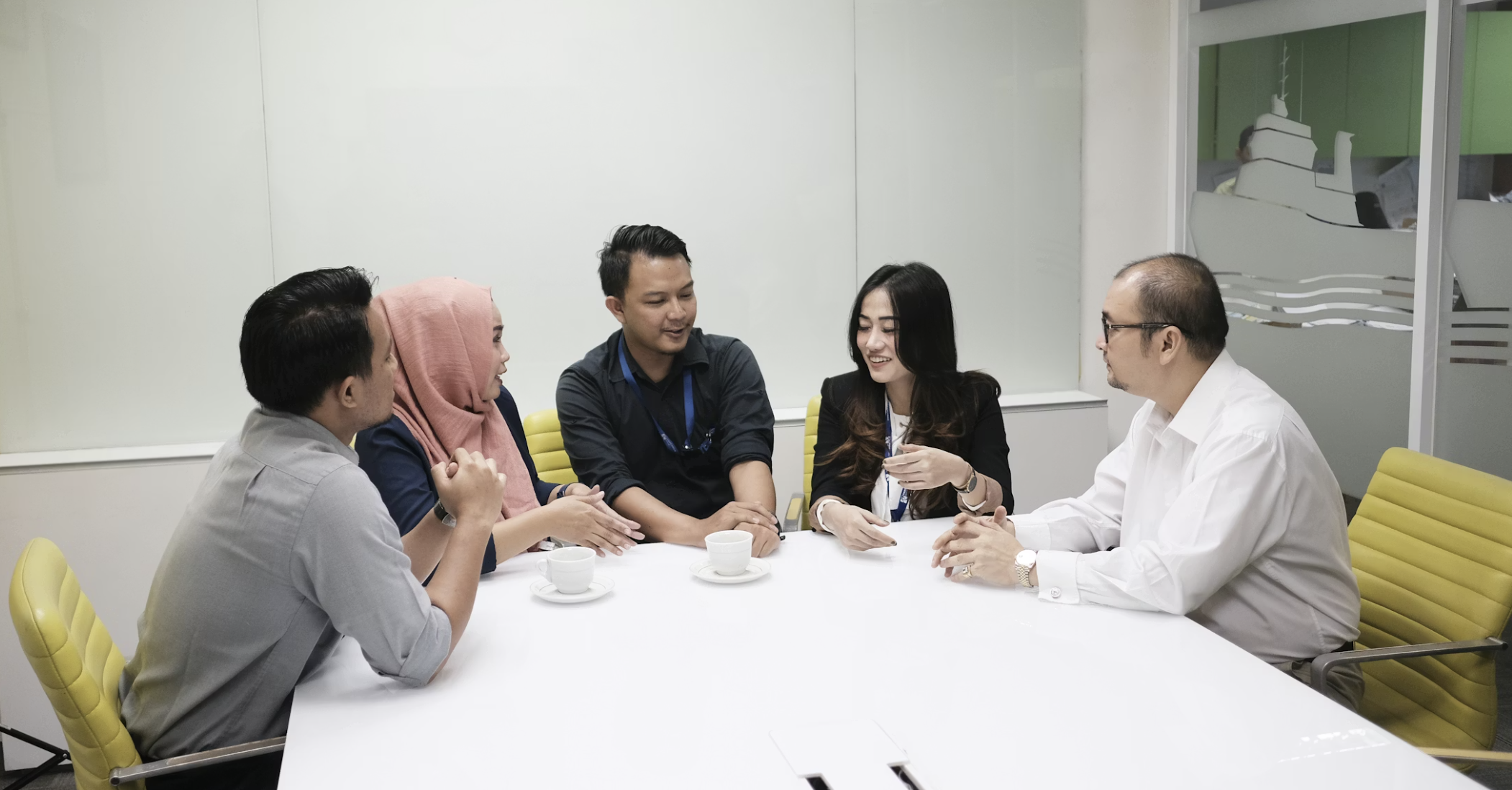
A panel interview is a structured interview format where multiple interviewers (typically 3–5 people) evaluate you at the same time.
Common participants:
- HR or recruiter
- Hiring manager
- Technical lead or subject-matter expert
- Cross-functional stakeholder
- Potential team member
Companies use this format to evaluate:
- Stakeholder communication
- Conflict management
- Executive presence
- Cultural and cross-functional fit
Panel Interview vs One-on-One Interview
| Feature | One-on-One Interview | Panel Interview |
|---|---|---|
| Dynamic | Personal rapport | Group facilitation |
| Focus | Skill depth | Collaboration & leadership |
| Pressure Level | Moderate | High (rapid-fire questions) |
| Evaluation Style | Individual opinion | Group consensus |
In a panel interview, you're not just answering questions.
You’re demonstrating how you manage a room.
What to Expect in a Panel Interview
Most candidates underestimate three things:
1. Rapid-Fire Questions
Two interviewers may speak at once. You’ll need to prioritize and structure your response calmly.
2. Cross-Functional Challenges
Expect conflicting perspectives (e.g., budget vs timeline, speed vs quality).
3. Silent Evaluators
The quiet person taking notes may heavily influence the final decision.
How to Prepare for a Panel Interview (Step-by-Step Strategy)
1. Map the Stakeholders
Ask the recruiter for:
- Names
- Titles
- Departments
Research each panelist on LinkedIn and categorize them:
- Decision Maker → Focus on ROI and strategy
- Technical Gatekeeper → Focus on execution details
- Peer/Collaborator → Focus on teamwork and communication
2. Prepare Structured Stories (Use STAR Method)
Use consistent stories across interviewers:
- Situation
- Task
- Action
- Result
Panelists compare notes.
Inconsistent answers reduce credibility.
3. Use the “Triangle Eye Contact” Rule
When answering:
- 20% → Look at the question asker
- 60% → Briefly scan other panelists
- 20% → Return to original asker
This keeps everyone engaged.
Most Common Panel Interview Questions (With Sample Answers)
Here are common panel interview questions and example response structures.
1. Tell Me About Yourself (Panel Version)
What they’re testing: Structure + audience awareness
Sample Answer Structure:
"I’ll give a quick overview of my background, then connect it to this role.
I started in product operations, where I focused on improving onboarding flows. Over two years, I led cross-functional initiatives that reduced churn by 18%.
From a technical standpoint, I worked closely with engineering on sprint prioritization. From a business perspective, I collaborated with marketing to refine positioning.
That combination of execution and stakeholder alignment is what excites me about this opportunity."
2. How Do You Handle Disagreement Between Stakeholders?
What they’re testing: Conflict management
Sample Answer Structure:
"When stakeholders disagree, I first clarify shared objectives. For example, in one project, product wanted speed while engineering prioritized stability.
I reframed the conversation around impact. We agreed on a phased rollout—fast release for core users, stability improvements in parallel.
By anchoring to outcomes, not opinions, we avoided escalation."
3. How Do You Prioritize Conflicting Requests?
What they’re testing: Decision framework
Sample Answer Structure:
"I use a structured prioritization framework based on impact, effort, and strategic alignment.
If two leaders request features simultaneously, I quantify projected business impact, assess technical feasibility, and align with quarterly objectives.
I communicate trade-offs transparently so no stakeholder feels ignored."
4. Describe a Time You Influenced Cross-Functional Teams
What they’re testing: Leadership without authority
Sample Answer Structure:
"I focus on alignment before persuasion.
In one project, data showed a 22% drop-off during checkout. Engineering resisted changes due to roadmap pressure.
I built a simple forecast model showing revenue recovery potential. Once we reframed it as a revenue unlock instead of a UX tweak, the team aligned."
5. Why Should We Hire You?
What they’re testing: Strategic positioning
Sample Answer Structure:
"I bring three strengths:
- Structured decision-making
- Cross-functional communication
- Measurable business impact
Beyond skills, I’m comfortable navigating ambiguity across multiple stakeholders, which is essential in a panel-driven organization."
High-Impact Scripts for Handling Rapid-Fire Questions
For Mid-Level Professionals
"I’ll address the implementation aspect first, and then connect it to the business outcome, since both are closely linked."
For Senior or Management Candidates
"I appreciate both questions. Let me address the budget concern first, then I’ll move to the timeline implications, because they directly affect each other."
This demonstrates executive presence.
Common Panel Interview Mistakes
1. Only Speaking to the Highest Title
Correction: Balance attention across the room.
2. Forgetting Names
Correction: Draw a seating map on your notepad.
3. Changing Stories Midway
Correction: Prepare 5–6 core stories and reuse them consistently.
Smart Questions to Ask During a Panel Interview
Ideally, prepare tailored questions:
To HR: "How does cross-functional collaboration typically work in this team?"
To Hiring Manager: "What would success look like in the first 90 days?"
To Technical Lead: "What are the biggest execution bottlenecks currently?"
This shows preparation and awareness.
How to Practice for a Panel Interview
Practicing alone is not enough.
Panel interviews test:
- Multi-person attention management
- Logical structuring under pressure
- Executive presence
Simulate real pressure by practicing in a multi-voice environment.
You can use an AI interview simulator that recreates:
- HR persona
- Technical lead persona
- Manager persona
- Rapid-fire pushback mode
This allows you to stress-test your logic before the real interview.
Final Thoughts
A panel interview is not about surviving pressure.
It’s about demonstrating:
- Structured thinking
- Cross-functional alignment
- Leadership presence
Prepare strategically.
Practice under realistic conditions.
Lead the room — don’t react to it.
If you want to simulate a real multi-interviewer environment before your interview, practice with an AI-powered panel simulation and measure your engagement and response structure before the big day.